Blog
LICORICE Workshop Insights: Putting People at the Centre of Privacy-Preserving Technology
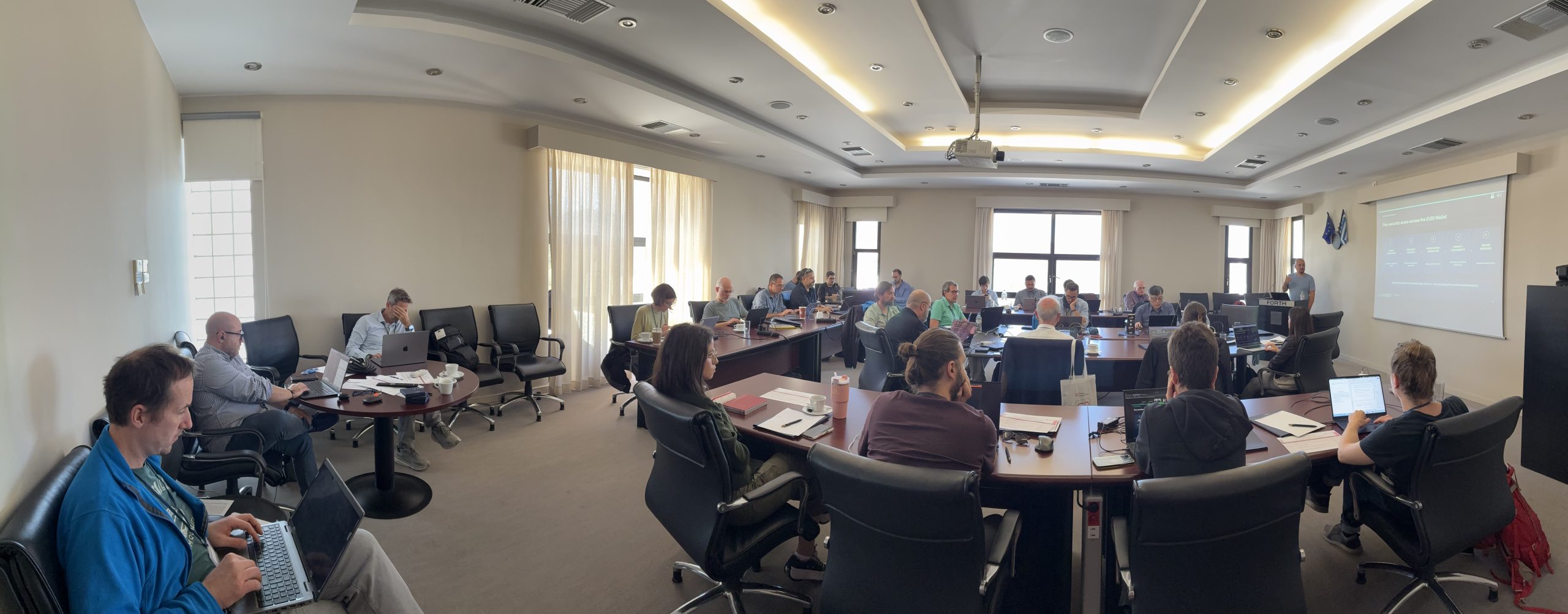
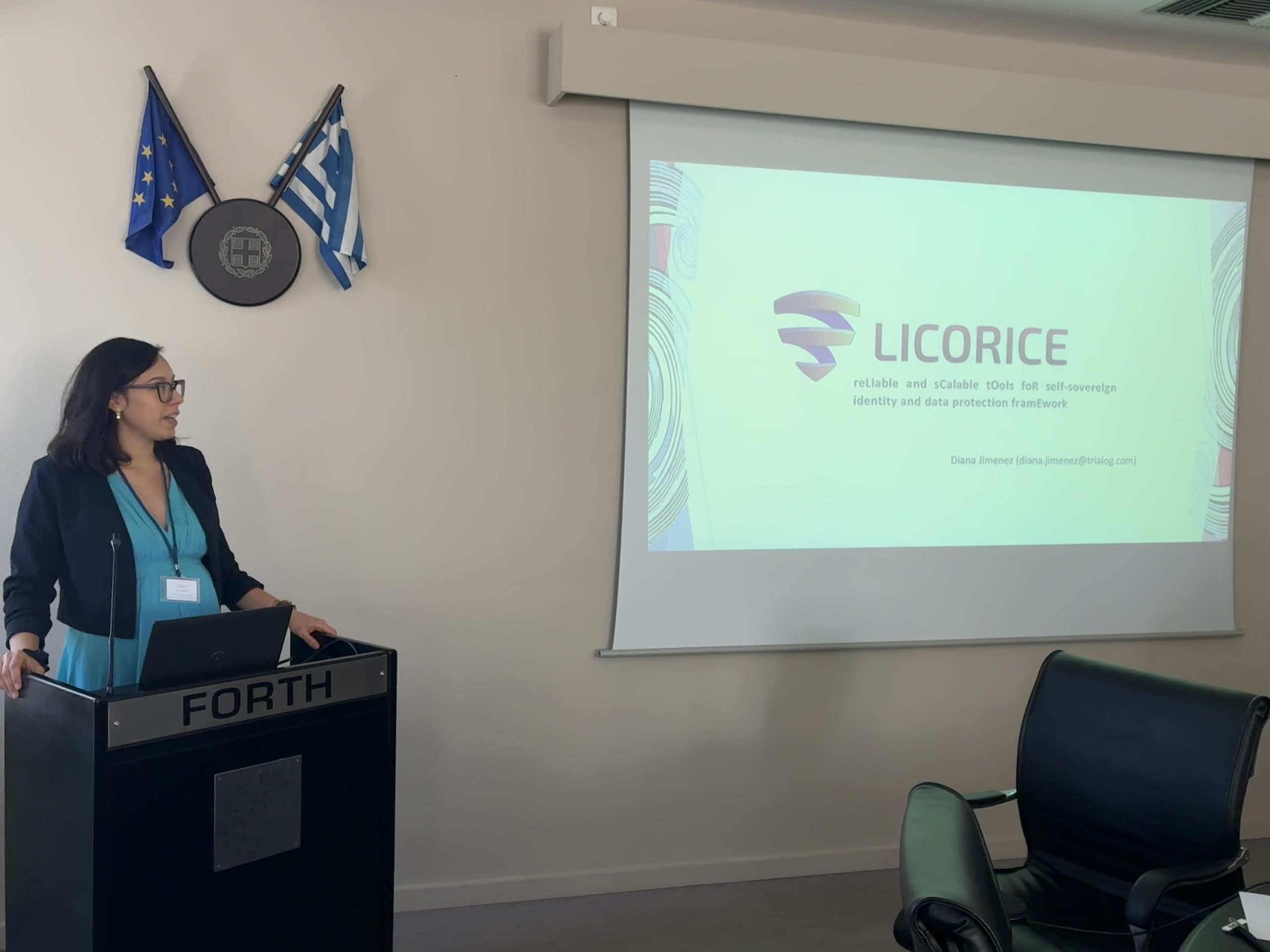
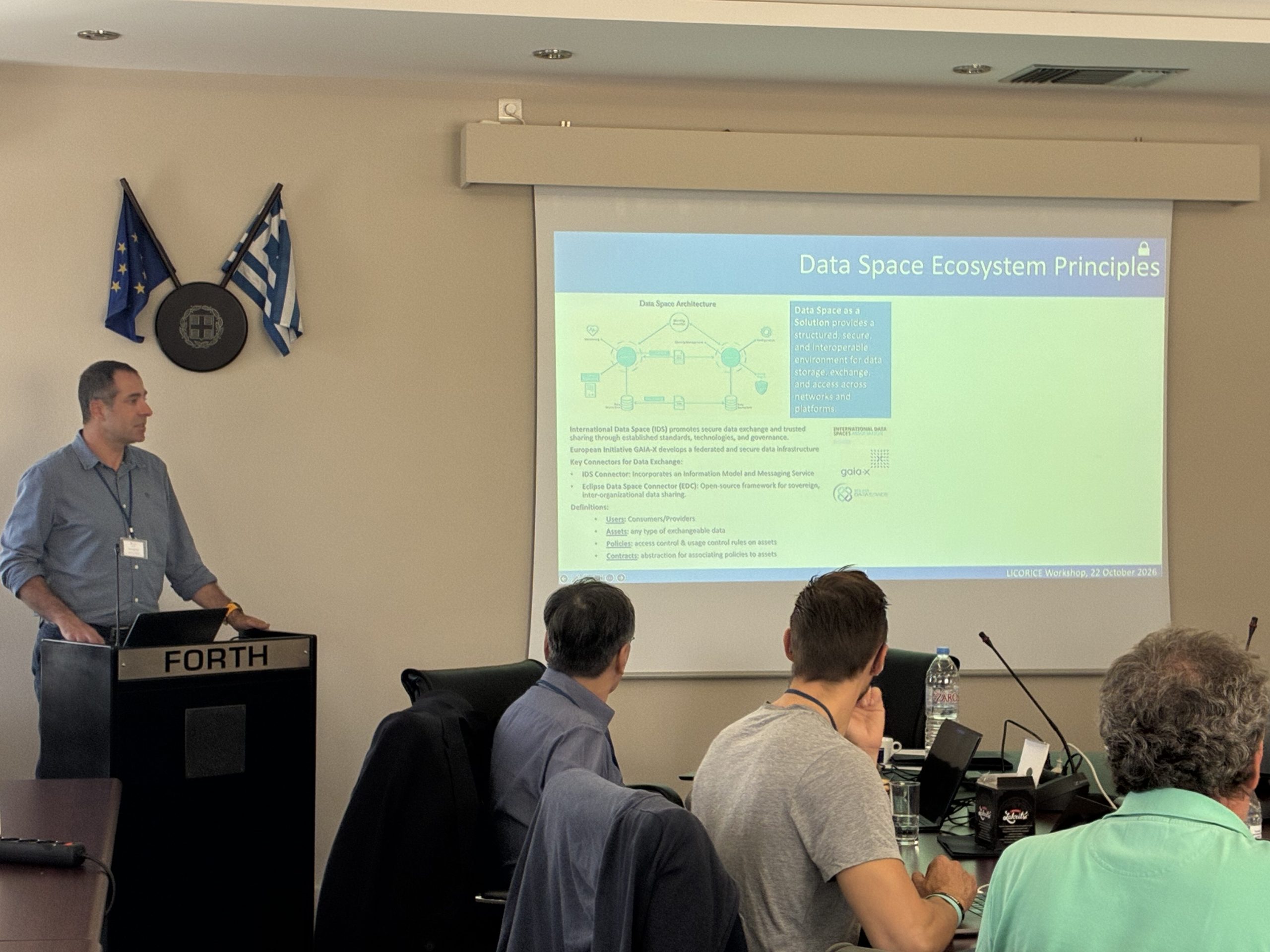
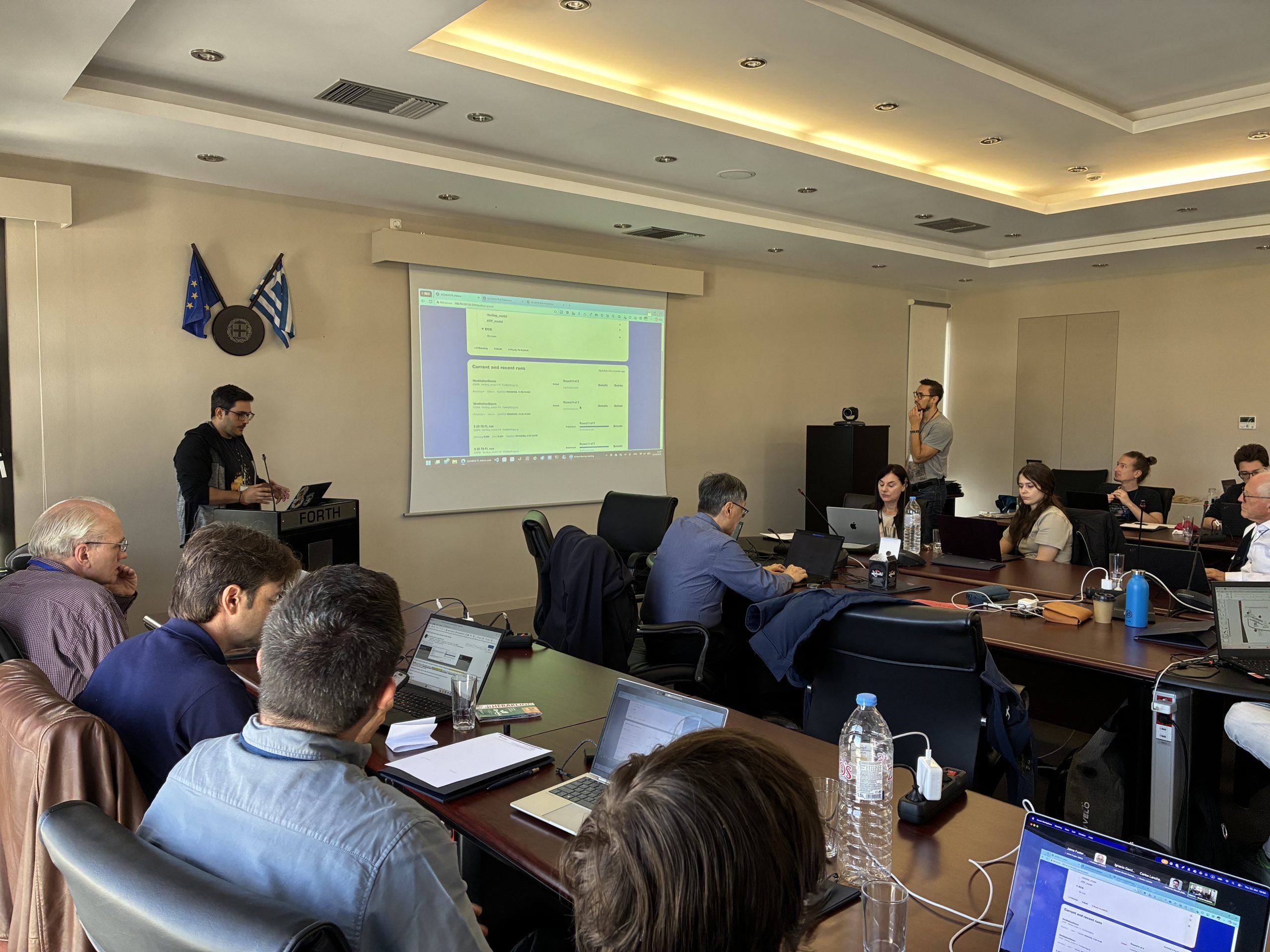
On 22 October 2026, the LICORICE project organised its workshop “Advancing Privacy-Preserving Technologies in Health and Cybersecurity” at the Foundation for Research and Technology – Hellas (FORTH) in Heraklion, Greece.
The hybrid event brought together representatives from research organisations, universities, SMEs, large enterprises, European research projects, standardisation bodies, Horizon Europe National Contact Points and the LICORICE Advisory Board.
Through technical presentations, live demonstrations, expert keynotes and interactive evaluation sessions, the workshop explored how advanced digital identity and privacy-preserving technologies can enable more secure, trustworthy and user-centric data sharing.
Demonstrating LICORICE Technologies in Real-World Applications
A central focus of the workshop was the presentation of LICORICE's two pilot use cases: eHealth and Cyber Threat Intelligence (CTI). Both pilots demonstrate how the project's advanced toolsets can address practical challenges involving sensitive information, digital identity and secure data processing.
eHealth Pilot: Empowering Patients and Enabling Secure Medical Research
The eHealth pilot presentation demonstrated how LICORICE technologies can support user-centric authentication, greater control over personal health information and privacy-preserving aggregation of clinical data.
The pilot combines several technological components, including Self-Sovereign Identity (SSI), privacy-preserving identity management, federated learning, secure neural networks, hardware-backed security and dynamic consent management.
Particular attention was given to enabling individuals to exercise greater control over their electronic health data while supporting healthcare organisations in securely sharing and analysing information for medical research and improved patient diagnosis.
A live demonstration showcased the pilot's capabilities, including secure data collection from wearable devices, consent management and AI-supported clinical predictions.
The presentation also addressed the importance of integrating privacy and security safeguards into healthcare workflows, particularly when sensitive patient data is collected through connected medical devices.
Cyber Threat Intelligence Pilot: Protecting Sensitive Information in AI-Assisted Cybersecurity
The second pilot focused on the challenges of collecting, analysing and sharing Cyber Threat Intelligence (CTI).
As cyberattacks become increasingly sophisticated, organisations need effective ways to exchange threat intelligence without unnecessarily exposing confidential information.
The LICORICE CTI pilot is enhancing existing AI-assisted cybersecurity capabilities through privacy-preserving mechanisms, including sensitive information sanitisation, secure query processing and identity-based authentication.
The presentation highlighted the importance of protecting sensitive information before external processing while preserving the context required for meaningful analysis.
A live demonstration illustrated the pilot's approach, while discussions explored how privacy safeguards can be implemented without compromising the accuracy and usefulness of AI-assisted cybersecurity investigations.
Expert Perspectives on AI Ethics, Digital Identity and Security
The workshop featured two keynote presentations offering complementary perspectives on the challenges of building trustworthy digital ecosystems.
Gregorio López López, Associate Professor at Universidad Pontificia Comillas and founding member of the DIGNUM Center for AI Ethics and Data Rights, delivered a keynote titled “From Data Protection to Data Empowerment: The DIGNUM Center for AI Ethics and Data Right Approach.”
His presentation introduced DIGNUM's interdisciplinary approach, bringing together technological expertise, data economy research and human-centred perspectives on digital innovation.
A central message was that people must remain at the centre of technology development, with ethical considerations and individual rights playing a fundamental role in the design of digital solutions.
The second keynote, “Security and Privacy in Interconnected Digital Ecosystems: Challenges and Research Directions,” was delivered by Prof. Dr. Sotiris Ioannidis.
His presentation examined the security and privacy challenges associated with interconnected digital identity ecosystems, particularly the European Digital Identity Wallet.
He highlighted how digital wallets rely on multiple trusted entities across sectors such as government, banking and healthcare, creating complex security dependencies.
The keynote emphasised that security must extend throughout the entire digital identity lifecycle, from credential provisioning to recovery, and that trustworthy solutions require demonstrable security guarantees, privacy protections and practical usability.
These approaches are not interchangeable, and none automatically eliminates every privacy risk. Their effectiveness depends on the system design, implementation, threat model and operational context. Nevertheless, they offer important opportunities to make data-driven innovation more compatible with privacy requirements.
Putting Users at the Centre: Interactive Usability Evaluation
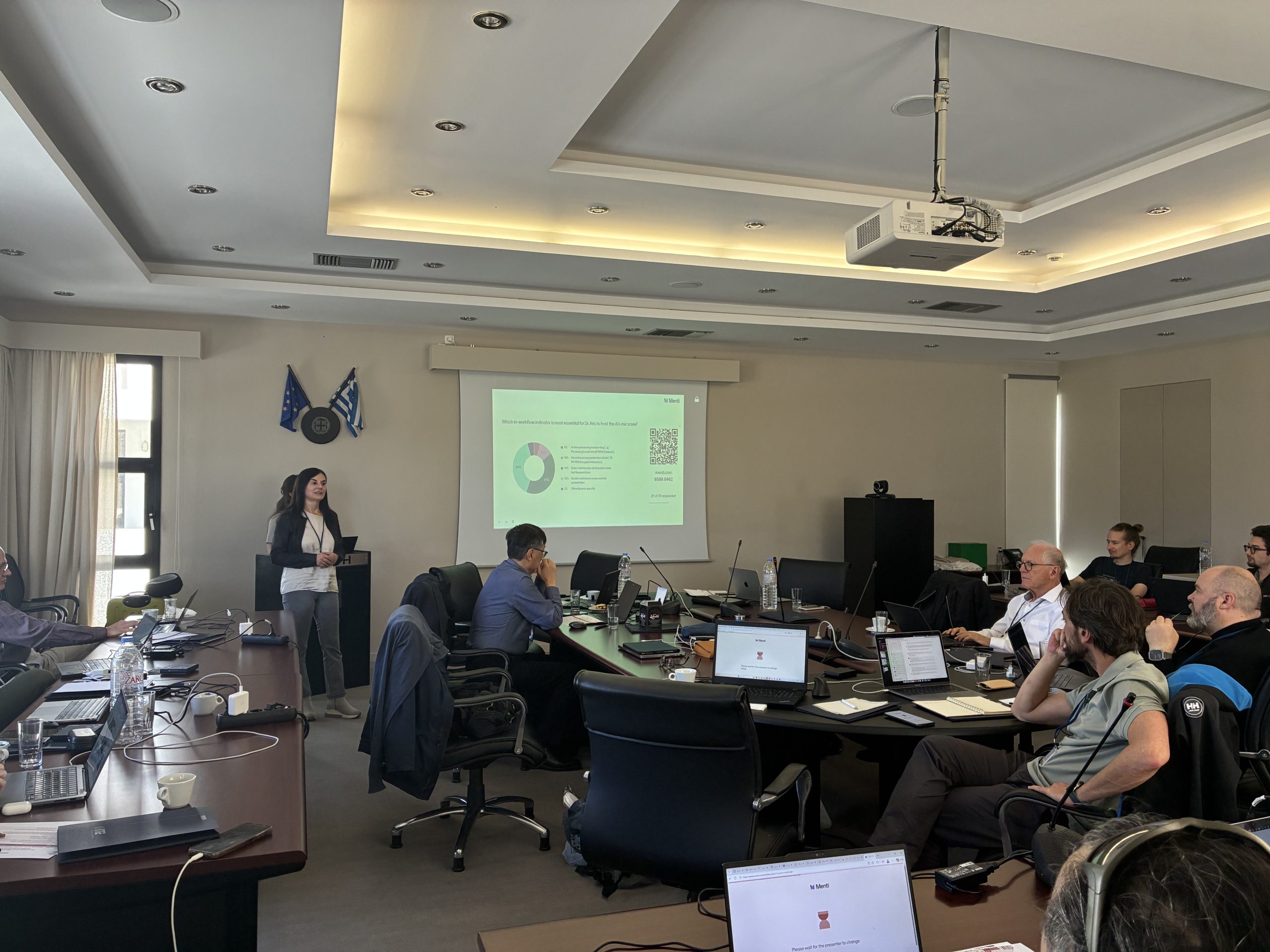
An important component of the workshop was the interactive usability evaluation sessions facilitated by Fondazione Bruno Kessler (FBK).
These sessions enabled participants to provide feedback on the LICORICE pilots and identify areas where the technologies could better address the needs of their intended users. For the eHealth pilot, participants emphasised the importance of:
- Clear and understandable consent information.
- Transparency regarding where and how health data is processed.
- Simple onboarding procedures, particularly for older patients.
- Practical guidance for users experiencing connectivity problems.
- Integrating AI-supported risk predictions into existing clinical workflows.
For the CTI pilot, discussions focused on maintaining the analytical value of threat intelligence while ensuring sensitive information remains protected.
Participants highlighted the need for transparent anonymisation, reliable redaction, intuitive authentication and understandable explanations of AI-generated outputs.
The discussions also identified priorities for future evaluations, including testing digital identity wallets and professional credential verification, and involving clinicians, patients and cybersecurity analysts from different organisations. These findings will provide practical guidance for refining the LICORICE pilots and strengthening their usability, reliability and relevance to real-world applications.

Strengthening Collaboration and Preparing for the Next Phase
The workshop concluded with a dedicated session featuring presentations from three European research projects: PRIVIDEMA, NextGEM and PAISES-6G.
Among these, PRIVIDEMA holds particular relevance as a LICORICE sister project funded under the same Horizon Europe call. Its participation provided an opportunity to strengthen connections between initiatives addressing related research and innovation challenges.
The session encouraged knowledge exchange, provided insights into ongoing research activities and highlighted opportunities for future cooperation. By bringing together representatives from complementary European initiatives, LICORICE continues to support cross-project collaboration and the exchange of knowledge across Europe's research and innovation ecosystem.
Beyond the technical demonstrations, the workshop highlighted the importance of robust system architecture, interdisciplinary collaboration and alignment with evolving European standards. Participants discussed opportunities to strengthen cooperation with related European research initiatives, including the NextGEM project, and to incorporate external perspectives into the further development of LICORICE technologies.
Putting People at the Centre of Privacy-Preserving Technology
Towards Trustworthy and User-Centric Digital Ecosystems
The LICORICE Workshop represented an important milestone in connecting the project's technological developments with the expectations and requirements of potential users.
The feedback gathered will contribute to the next phase of pilot evaluation, supporting further improvements in usability, security and privacy protection.
As LICORICE enters its final project year, the consortium will continue advancing solutions that enable individuals and organisations to benefit from digital identity and data-driven innovation while maintaining greater control over sensitive information.